
Property comparison · September 17, 2026 · Related guidance updated
What buyers compare in a $1M–$1.5M Calgary detached-home search
By Alex Pidann, Calgary REALTOR® · RE/MAX Innovations
Compare the life a home supports and the work it requires—not just its size or asking price.
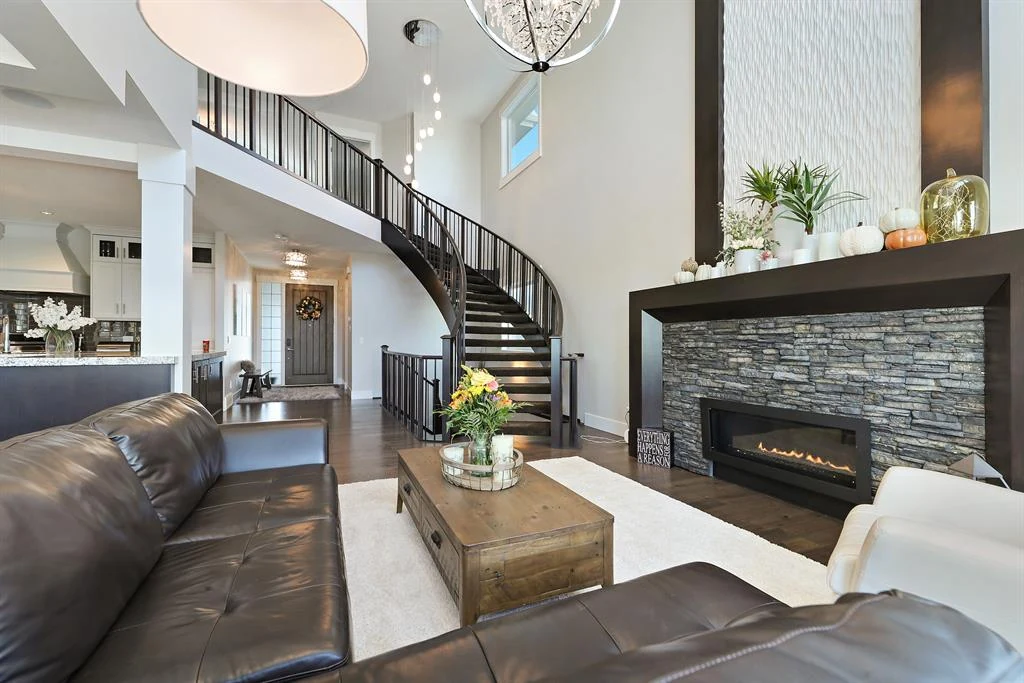
Start with the buyer’s alternatives
A price band is a search boundary, not a single market. A buyer considering an established neighbourhood may also consider a newer home farther from the centre. Another may put privacy ahead of commute time. Those homes can compete for the same person without being reliable valuation comparables.
Create two lists: properties that help explain value, and properties the buyer might choose instead. A strong sale plan needs both. This guide is a method for comparing homes, not a current listing inventory or an estimate of what $1M–$1.5M will purchase.
Compare five things consistently
Setting: walk the surroundings and consider traffic, privacy, orientation and access. Layout: test the plan against ordinary routines, not only the number of rooms. Condition: distinguish attractive finishes from the condition of major systems. Land: assess usable outdoor space rather than treating all lot area as equivalent. Readiness: identify the work, time and uncertainty between taking possession and feeling settled.
Use the same five headings for every property. Record evidence and unanswered questions separately. A photograph cannot answer whether a basement meets your needs, whether a layout works with your furniture or what a future repair may cost.
Make trade-offs visible
Choose three non-negotiables before adding more homes to a shortlist. Then note where each option asks you to compromise. A home that meets the essentials with one manageable project may be a better fit than a more polished home with an unchangeable limitation.
Do not turn a comparison score into a dollar adjustment. Confirm material condition questions with the appropriate professionals. Where work is contemplated, get property-specific quotes rather than assuming a renovation allowance will be enough.
If you are the seller
Ask what a buyer could choose instead of your home at the proposed launch price. Then identify the specific, supportable reason to choose yours. If that reason depends on work the buyer must do, your preparation and pricing discussion should acknowledge it.
Bring a short list of competing homes to your property review. The useful question is not which one looks most expensive; it is which differences are likely to change a decision.
Compare daily life as well as the house
Explore Aspen Woods and West Springs for a west Calgary shortlist, Tuscany for northwest park and club questions, or Willow Park for a separate south Calgary comparison. Use the guides to plan a visit and compare the actual route from each candidate home to the places that matter to you.
Further reading: CREB®: How to determine the optimal list price for your home (2018) ↗
Background on comparative pricing. The comparison framework above is editorial guidance, not a valuation or a survey of current inventory.
Apply it to your property
A clearer decision starts with your circumstances.
Talk through your home, your timing and the questions that matter with Alex Pidann of RE/MAX Innovations. Start with a property-specific value review and a preparation and marketing plan. No obligation to list.
Discuss your next move ↗