
Seller preparation · September 17, 2026 · Related guidance updated
Before selling: what to improve, and what to leave alone
By Alex Pidann, Calgary REALTOR® · RE/MAX Innovations
A shorter, well-chosen preparation list can be more useful than an ambitious renovation plan.
Sort the work before setting a budget
Put every proposed project into one of three groups: issues that require investigation or repair; presentation that makes the existing home easier to understand; and optional improvements that change what the home offers. Treating all three as renovation can obscure the decisions that actually matter.
Start with known condition concerns and obtain qualified advice where needed. Painting over evidence of a problem is not resolving it. Keep invoices, reports and any relevant permit information together so your representative can help you identify what a buyer may need to understand.
Make the existing home easier to see
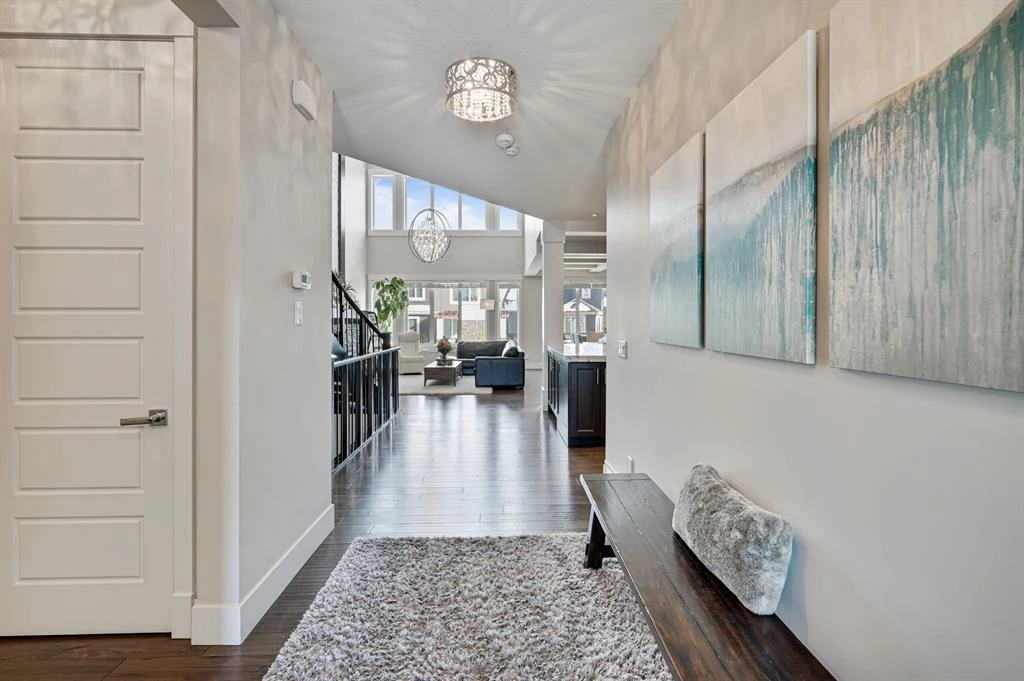
Before planning a replacement kitchen, assess what cleaning, decluttering, consistent lighting and a clearer furniture arrangement can accomplish. Photograph each room on your phone and ask what attracts attention first. The purpose is to reveal the space, not to suggest that cosmetic work fixes underlying defects.
For every presentation item, record the cost, completion date and the specific issue it addresses. Prioritise tasks that can be completed reliably before photography. A modest finished plan is easier to coordinate than unfinished work carried into showings.
Put major renovations through a stricter test
Would the likely buyer value the finished result? Is that supported by comparable properties, rather than by personal taste alone? What will the work cost once disruption, uncertainty and timing are included? Would selling in the current condition be a credible alternative?
CREB’s seller guidance cautions against unnecessary pre-sale renovations that exceed what a neighbourhood supports. There is no universal recovery percentage to apply to your project. Obtain quotes and compare scenarios with Alex before committing, especially if a project could delay the move.
Leave room for the next owner
A sound but dated finish may be worth leaving alone when replacement would be expensive or highly taste-specific. That does not mean ignoring it in pricing or presentation. It means making an intentional decision with the likely buyer and the available time in mind.
Bring three things to the conversation: your preferred move window, the work you already know about and the amount you are comfortable spending. The output should be a ranked list—do now, investigate, or leave—rather than a blanket instruction to renovate.
Put your proposed work into a preparation brief.
Record the work, a working budget and your possible move timeframe in the pre-sale renovation worksheet. Copy or print the resulting checklist, or discuss it in a Private Property Review. A Seller Competition Review helps identify which differences matter when buyers compare your home with current alternatives.
Compare the options before approving a project.
This is a decision checklist, not a promise that an improvement will recover its cost. Record what each option changes for the buyer, the quote and the completion date.
| Proposed work | Evidence to gather | Options to compare |
|---|---|---|
| Replace a sound but dated kitchen | Photographs, condition notes, actual quotes and relevant competing-home examples | Present the existing kitchen clearly; make a targeted change; or replace it |
| Refresh paint, lighting or room arrangement | Room photographs, the presentation issue and a dated scope of work | Address the specific distraction; avoid changing rooms that already read clearly |
| Investigate a known condition concern | Qualified assessment, documented scope and questions still unanswered | Investigate first; compare practical next steps using the findings |
| Start work close to the move date | Completion schedule, photography date and a plan for delays | Finish before photography; reduce the scope; or reconsider the launch sequence |
Use the preparation worksheet to record your assumptions. Keep proposed work separate from completed work in your property valuation discussion, and ask which differences matter against the buyer’s current alternatives.
Compare the improvement plan with the home and its area
The Brentwood, Willow Park and Elbow Park guides raise questions about documented improvements, layout and the property's setting. Use those questions before deciding what work belongs in the preparation plan.
Further reading: CREB®: From ‘for sale’ to ‘sold’ (2016) ↗
Historical background on avoiding unnecessary pre-sale renovations. No historical project costs or resale-return estimates are used here; obtain current, property-specific quotes.
Apply it to your property
A clearer decision starts with your circumstances.
Talk through your home, your timing and the questions that matter with Alex Pidann of RE/MAX Innovations. Start with a property-specific value review and a preparation and marketing plan. No obligation to list.
Discuss your next move ↗