
Pricing strategy · September 17, 2026 · Related guidance updated
How to price a distinctive home when no comparable is perfect
By Alex Pidann, Calgary REALTOR® · RE/MAX Innovations
Imperfect evidence calls for a more explicit explanation—not a more confident guess.
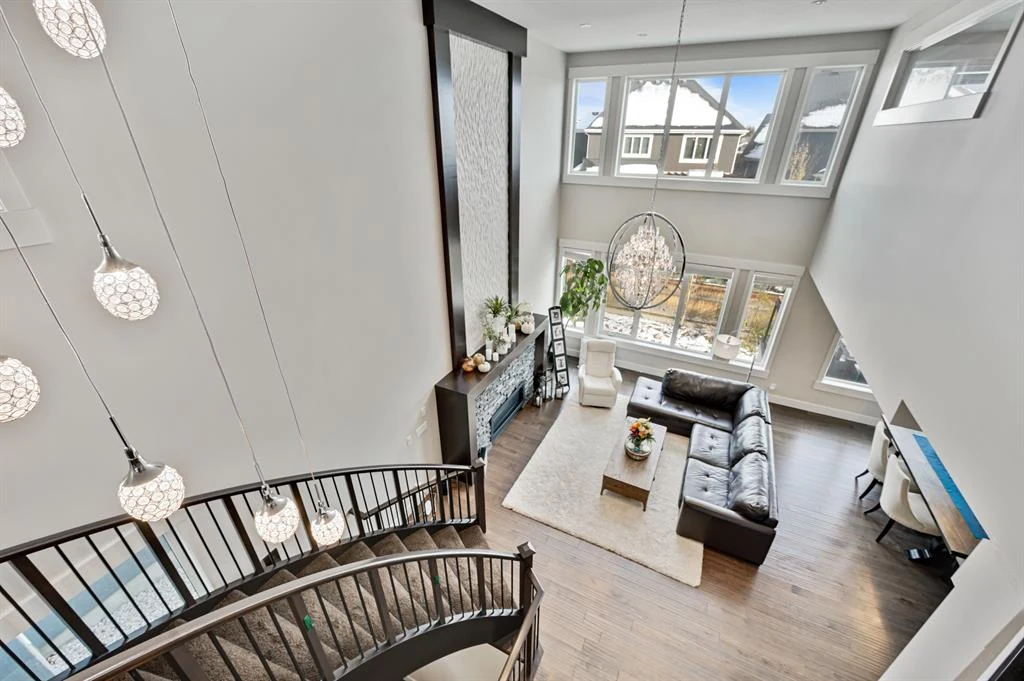
Define what makes the home different
Begin with observable attributes: location, site, layout, age, condition and material improvements. Separate those from claims such as unique or exceptional. A feature can be costly to create without carrying the same value for the next owner.
Write down which differences are likely to change the buyer pool. A highly specialised space may matter greatly to a small group and little to everyone else. That is a question to investigate, not an automatic premium to add.
Build an evidence ladder
Start with the most relevant completed sales and explain why each belongs in the analysis. If evidence is limited, widen the time period or geography deliberately, recording what becomes less comparable. Do not silently treat a distant or differently positioned home as equivalent just because its price is convenient.
Next, review active alternatives. Asking prices show what sellers are seeking, not what buyers have agreed to pay. Where reliable information is available, withdrawn or expired listings can raise useful questions about positioning; they do not establish a sale value.
Explain a range instead of hiding uncertainty
A useful recommendation distinguishes the evidence-supported range from the proposed launch strategy. Explain the assumptions that move the assessment toward either end: condition that has not yet been inspected, an unusual feature or a thin set of recent sales.
Avoid a precise-looking price-per-square-foot formula that ignores setting and usability. CREB’s pricing guidance emphasises a comparative market analysis. The job is to explain the relevant differences, not to give every difference a made-up dollar adjustment.
Agree on how the recommendation will be reviewed
Before launch, decide which signals you will evaluate together: qualified inquiries, showings, specific objections, competing sales and new alternatives. Agree on a review point that fits the property and market rather than promising a universal number of days to sell.
A quiet period alone does not identify the cause. Review exposure, access, presentation and price together. The next decision should respond to evidence, with a clear account of what changed and why the recommendation follows.
Connect the comparison to the launch decision.
This brief explains how to weigh imperfect evidence. Use a Seller Competition Review to examine the alternatives buyers could choose today. For price bands and the decision after launch, read the Calgary luxury-home pricing method. To discuss the range and assumptions for your home, explore the Private Property Review.
Investigate location differences
Aspen Woods and West Springs, Discovery Ridge’s woodland setting and Upper Mount Royal’s individual street approaches raise different property questions. Use the relevant map guide to investigate the address; a community feature alone cannot establish that two homes are comparable or determine an adjustment.
Further reading: CREB®: How to determine the optimal list price for your home (2018) ↗
Background on comparative market analysis. This article explains a decision process; it is not a property valuation or a guarantee of sale price.
Apply it to your property
A clearer decision starts with your circumstances.
Talk through your home, your timing and the questions that matter with Alex Pidann of RE/MAX Innovations. Start with a property-specific value review and a preparation and marketing plan. No obligation to list.
Discuss your next move ↗